Friday, October 31, 2008

Avian Influenza

How is avian influenza detected in humans?
Avian influenza cannot be diagnosed by symptoms alone, so a laboratory test is required. Avian influenza is usually diagnosed by collecting a swab from the nose or throat during the first few days of illness. This swab is then sent to a laboratory, where they will either look for avian influenza virus using a molecular test, or they will try to grow the virus. Growing avian influenza viruses should only be done in laboratories with high levels of protection. If it is late in the illness, it may be difficult to find an avian influenza virus directly using these methods. If this is the case, it may still be possible to diagnose avian influenza by looking for evidence of the body's response to the virus. This is not always an option because it requires two blood specimens (one taken during the first few days of illness and another taken some weeks later), and it can take several weeks to verify the results.

What are the implications of avian influenza to human health?
Two main risks for human health from avian influenza are 1) the risk of direct infection when the virus passes from the infected bird to humans, sometimes resulting in severe disease; and 2) the risk that the virus – if given enough opportunities – will change into a form that is highly infectious for humans and spreads easily from person to person.

How is avian influenza in humans treated?
Studies done in laboratories suggest that the prescription medicines approved for human influenza viruses should work in treating avian influenza infection in humans. However, influenza viruses can become resistant to these drugs, so these medications may not always work. Additional studies are needed to determine the effectiveness of these medicines.

Does seasonal influenza vaccine protect against avian influenza infection in people?
No. Seasonal influenza vaccine does not provide protection against avian influenza.

Should I wear a surgical mask to prevent exposure to avian influenza?
Currently, wearing a mask is not recommended for routine use (e.g., in public) for preventing influenza exposure. In the United States, disposable surgical and procedure masks have been widely used in health-care settings to prevent exposure to respiratory infections, but the masks have not been used commonly in community settings, such as schools, businesses, and public gatherings.

Can I get avian influenza from eating or preparing poultry or eggs?
You cannot get avian influenza from properly handled and cooked poultry and eggs.

There currently is no scientific evidence that people have been infected with bird flu by eating safely handled and properly cooked poultry or eggs.

Most cases of avian influenza infection in humans have resulted from direct or close contact with infected poultry or surfaces contaminated with secretions and excretions from infected birds. Even if poultry and eggs were to be contaminated with the virus, proper cooking would kill it. In fact, recent studies have shown that the cooking methods that are already recommended by the U.S. Department of Agriculture (USDA) and the Food and Drug Administration (FDA) for poultry and eggs to prevent other infections will destroy influenza viruses as well.

So to stay safe, the advice is the same for protecting against any infection from poultry:

  • Wash your hands with soap and warm water for at least 20 seconds before and after handling raw poultry and eggs.
  • Clean cutting boards and other utensils with soap and hot water to keep raw poultry from contaminating other foods.
  • Use a food thermometer to make sure you cook poultry to a temperature of at least 165 degrees Fahrenheit Consumers may wish to cook poultry to a higher temperature for personal preference.
  • Cook eggs until whites and yolks are firm.
What Can YOU do to Survive?Click Here To Know More..

Avian Influenza A (H5N1)

What is the avian influenza A (H5N1) virus that has been reported in Africa, Asia, Europe, and the Near East?
Influenza A (H5N1) virus – also called “H5N1 virus” – is an influenza A virus subtype that occurs mainly in birds, is highly contagious among birds, and can be deadly to them.

Outbreaks of avian influenza H5N1 occurred among poultry in eight countries in Asia (Cambodia, China, Indonesia, Japan, Laos, South Korea, Thailand, and Vietnam) during late 2003 and early 2004. At that time, more than 100 million birds in the affected countries either died from the disease or were killed in order to try to control the outbreaks. By March 2004, the outbreak was reported to be under control.

Beginning in June 2004, however, new outbreaks of influenza H5N1 among poultry and wild birds were reported in Asia. Since that time, the virus has spread geographically. Reports of H5N1 infection in wild birds in Europe began in mid-2005. In early 2006, influenza A H5N1 infection in wild birds and poultry were reported in Africa and the Near East.

Human cases of influenza A (H5N1) infection have been reported in Azerbaijan, Bangladesh, Cambodia, China, Djibouti, Egypt, Indonesia, Iraq, Lao People's Democratic Republic, Myanmar, Nigeria, Pakistan, Thailand, Turkey, and Vietnam.

What are the risks to humans from the current H5N1 outbreak?
H5N1 virus does not usually infect people, but since November 2003, nearly 400 cases of human infection with highly pathogenic avian influenza A (H5N1) viruses have been reported by more than a dozen countries in Asia, Africa, the Pacific, Europe and the Near East. Highly pathogenic avian influenza A (H5N1) viruses have never been detected among wild birds, domestic poultry, or people in the United States. Most of these cases have occurred from direct or close contact with infected poultry or contaminated surfaces; however, a few cases of human-to-human spread of H5N1 virus have occurred.

So far, spread of H5N1 virus from person to person has been rare, limited and unsustained. Nonetheless, because all influenza viruses have the ability to change, scientists are concerned that H5N1 virus one day could be able to infect humans and spread easily from one person to another. Because these viruses do not commonly infect humans, there is little or no immune protection against them in the human population.

If H5N1 virus were to gain the capacity to spread easily from person to person, an influenza pandemic (worldwide outbreak of disease) could begin. No one can predict when a pandemic might occur. However, experts from around the world are watching the H5N1 situation very closely and are preparing for the possibility that the virus may begin to spread more easily from person to person.

How is infection with H5N1 virus in humans treated?
Most H5N1 viruses that have caused human illness and death appear to be resistant to amantadine and rimantadine, two antiviral medications commonly used for treatment of patients with influenza. Two other antiviral medications, oseltamivir and zanamivir, would probably work to treat influenza caused by H5N1 virus, but additional studies are needed to demonstrate their current and ongoing effectiveness.

Is there a vaccine to protect people from some strains of the H5N1 virus?
Yes. On April 17, 2007, the U.S. Food and Drug Administration (FDA) announced its approval of the first vaccine to prevent human infection with one strain of the avian influenza (bird flu) H5N1 virus. The vaccine, produced by sanofi pasteur, Inc., has been purchased by the federal government for the U.S. Strategic National Stockpile; it will be distributed by public-health officials if needed. This vaccine will not be made commercially available to the general public. Other H5N1 vaccines are being developed by other companies against different H5N1 strains.

What is the benefit of the FDA-approved H5N1 vaccine produced by sanofi pasteur Inc?
The H5N1 vaccine approved by the U.S. Food and Drug Administration (FDA) on April 17, 2007, was developed as a safeguard against the possible emergence of an H5N1 pandemic virus. However, the H5N1 virus is not a pandemic virus because it does not transmit efficiently from person to person,so the H5N1 vaccine is being held in stockpiles rather than being used by the general public. This vaccine aids H5N1 preparedness efforts in case an H5N1 pandemic virus were to emerge.

Can a person become infected with avian influenza A (H5N1) virus by cleaning a bird feeder?
There is no evidence of H5N1 having caused disease in birds or people in the United States. At the present time, there is no risk of becoming infected with H5N1 virus from bird feeders. Generally, perching birds (Passeriformes) are the predominate type of birds at feeders. While there are documented cases of H5N1 causing death in some Passeriformes (e.g., house sparrow, Eurasian tree-sparrow, house finch), in both free-ranging and experimental settings, none occurred in the U.S. and most of the wild birds that are traditionally associated with avian influenza viruses are waterfowl and shore birds.

What changes are needed for H5N1 or another avian influenza virus to cause a pandemic?
Three conditions must be met for a pandemic to start: 1) a new influenza virus subtype must emerge for which there is little or no human immunity; 2) it must infect humans and causes illness; and 3) it must spread easily and sustainably (continue without interruption) among humans. The H5N1 virus in Asia and Europe meets the first two conditions: it is a new virus for humans (H5N1 viruses have never circulated widely among people), and it has infected more than 190 humans, killing over half of them.

However, the third condition, the establishment of efficient and sustained human-to-human transmission of the virus, has not occurred. For this to take place, the H5N1 virus would need to improve its transmissibility among humans. This could occur either by “reassortment” or adaptive mutation.

Reassortment occurs when genetic material is exchanged between human and avian viruses during co-infection (infection with both viruses at the same time) of a human or another mammal. The result could be a fully transmissible pandemic virus—that is, a virus that can spread easily and directly between humans. A more gradual process is adaptive mutation, where the capability of a virus to bind to human cells increases during infections of humans.

To Know More About Avian Infuenza,Click Here..

Avian Influenza Infection in Animals

What animals can be infected with avian influenza A (H5N1) viruses?
In addition to humans and birds, we know that pigs, tigers, leopards, ferrets and domestic cats can be infected with avian influenza A (H5N1) viruses. In addition, in early March 2006, Germany reported H5N1 infection in a stone marten (a weasel-like mammal). The avian influenza A (H5N1) virus that emerged in Asia in 2003 is evolving and it’s possible that other mammals may be susceptible to infection as well. CDC is working closely with domestic and international partners to continually monitor this situation and will provide additional information to the public as it becomes available.

Can domestic cats be infected with avian influenza viruses?
While domestic cats are not usually susceptible to influenza type A infection, it is known that they can become infected and die (both experimentally and naturally) with avian influenza A (H5N1) viruses and, in a laboratory/research setting can spread the virus to other cats. It is not known whether domestic cats can spread the virus to other domestic cats under natural conditions.

How do cats become infected with avian influenza A (H5N1) viruses?
All of the cases of influenza A (H5N1) infection in domestic cats reported to date have been associated with H5N1 outbreaks among domestic poultry or wild birds and are thought to have occurred by the cat eating raw infected birds.

How commonly have cats been infected with avian influenza A (H5N1) viruses?
During the avian influenza A (H5N1) outbreak that occurred from 2003 to 2004 in Asia, there were only several unofficial reports of fatal infections in domestic cats. Studies carried out in the Netherlands and published in 2004 showed that housecats could be infected with avian influenza A (H5N1) and could spread the virus to other housecats. In these experiments, the cats became sick after direct inoculation of virus isolated from a fatal human case, and following the feeding of infected raw chicken. In February 2006, Germany reported that a domestic cat had died from influenza A (H5N1) infection. That cat lived in the northern island of Ruegen, where more than 100 wild birds are believed to have died of the disease. The cat probably got sick by eating an infected bird.

What about infection in large cats, like tigers?
Large cats kept in captivity have been diagnosed with avian influenza as well. In December 2003, two tigers and two leopards that were fed fresh chicken carcasses from a local slaughterhouse died at a zoo in Thailand. An investigation identified avian influenza A (H5N1) in tissue samples. In February and March 2004, the virus was detected in a clouded leopard and white tiger, respectively, both of which died in a zoo near Bangkok . In October 2004, 147 of 441 captive tigers in a zoo in Thailand died or were euthanatized as a result of infection after being fed fresh chicken carcasses. The cats are thought to have gotten sick from eating infected raw meat. Results of a subsequent investigation suggested that at least some tiger-to-tiger transmission occurred in that facility.

Can cats spread H5N1 to people?
There is no evidence to date that cats can spread H5N1 to humans. No cases of avian influenza in humans have been linked to exposure to sick cats, and no outbreaks among populations of cats have been reported. All of the influenza A (H5N1) infections in cats reported to date appear to have been associated with outbreaks in domestic or wild birds and acquired through ingestion of raw meat from an infected bird.

What is the risk to humans or other species from cats infected with avian influenza H5N1 virus?
There is no evidence to date that cats can spread H5N1 to humans. No cases of avian influenza in humans have been linked to exposure to sick cats, and no outbreaks among populations of cats have been reported. All of the influenza A (H5N1) infections in cats reported to date appear to have been associated with outbreaks in domestic or wild birds and acquired through ingestion of raw infected meat.

What is the current risk that a cat in the United States will become infected with influenza A (H5N1)?
As long as there is no influenza A (H5N1) in the United States, there is no risk of a U.S. cat becoming infected with this disease. The virus circulating in Asia, Europe and Africa has not yet entered the United States. CDC is working closely with domestic and international partners to continually monitor this situation and will provide additional information to the public as it becomes available.

If avian influenza A (H5N1) is identified in the United States, how can I protect my cat?
As long as there is no H5N1 influenza in the United States, at this time there is no risk of a U.S. cat becoming infected with this disease. In Europe, however, where H5N1 has been reported in wild birds, poultry, several cats, and a stone marten (a member of the weasel family), the European Center for Disease Prevention and Control has issued preliminary recommendations for cat owners living in H5N1-affected areas. Additionally, the Food and Agriculture Organization has produced guidance for areas where H5N1 HPAI has been diagnosed or is suspected in poultry or wild birds.

Can dogs be infected with avian influenza?
While dogs are not usually susceptible to avian influenza viruses, the avian influenza A (H5N1) virus that emerged in Asia in 2003 has been documented to infect other carnivore species (e.g. cats, tigers, leopards, stone martens). This has raised concern that this strain of avian influenza A (H5N1) virus may be capable of infecting dogs. An unpublished study carried out in 2005 by the National Institute of Animal Health in Bangkok indicated that dogs could be infected with the virus, but no associated disease was detected. This limited information is not enough to determine definitively whether dogs are susceptible to the virus. CDC is coordinating with USDA, veterinary associations, and other partners domestically and internationally on this issue and will provide additional information to the public as it becomes available.

How would dogs be infected with avian influenza A (H5N1)?
There is not enough information available about avian influenza A (H5N1) infection in dogs to know how infection would occur. Affected domestic cats in Europe appear to have become infected by feeding upon raw infected poultry or wild birds. If dogs are susceptible to avian influenza A (H5N1), infection may be by the same route.

How To Protect Yourself From Avian Influenza?


Kala Azar or Leishmaniasis

What is Kala-azar?Photo

  • Kala-azar is a slow progressing indigenous disease caused by a protozoan parasite of genus Leishmania

  • In India Leishmania donovani is the only parasite causing this disease

  • The parasite primarily infects reticuloendothelial system and may be found in abundance in bone marrow, spleen and liver.

  • Post Kala-azar Dermal Leishmaniasis (PKDL) is a condition when Leishmania donovani invades skin cells, resides and develops there and manifests as dermal leisions. Some of the kala-azar cases manifests PKDL after a few years of treatment. Recently it is believed that PKDL may appear without passing through visceral stage. However, adequate data is yet to be generated on course of PKDL manifestation

What are Signs & Symptoms of Kala-Azar?Photo

  • Recurrent fever intermittent or remittent with often double rise

  • loss of appetite, pallor and weight loss with progressive emaciation

  • weakness

  • Splenomegaly – spleen enlarges rapidly to massive enlargement, usually soft and nontender

  • Liver – enlargement not to the extent of spleen, soft, smooth surface, sharp edge

  • Lymphadenopathy – not very common in India

  • Skin – dry, thin and scaly and hair may be lost. Light coloured persons show grayish discolouration of the skin of hands, feet, abdomen and face which gives the Indian name Kala-azar meaning “Black fever”

  • Anaemia – develops rapidly

Anaemia with emaciation and gross splenomegaly produces a typical appearance of the patients

What is Post Kala-Azar Dermal Leishmaniasis (PKDL)?

Post Kala-azar Dermal Leishmaniasis is a condition in which Leishmania donovani parasites are found in skin. PKDL develops in some of the Indian kala-azar patients usually 1-2 years or more following recovery of Kala-azar; less commonly without suffering from Kala-azar

What are Signs & Symptoms of PKDL?Photo

Types of morphological lesions:

  • Early hypopigmented macules similar to macular lesions of Lepromatous Leprosy but normally less than 1 cm. Usually occur on face but can affect any part of the body.

  • Later (after a variable period of months or years) diffuse nodular lesions on those macules

  • Erythematous butterfly rash which may be aggravated by exposure to Sunlight; an early sign of PKDL

  • Erythematous papules and nodules which usually occur on face, especially the chin.

  • Lesions progressive over many years , seldom heal spontaneously

Rare manifestations of PKDL include:

  • Multiple lesions coalesce to form larger plaque type lesions

  • Verrucous lesions (hands and feet)

  • Papillomatous lesions (on muzzle area of face, nose, chin, and lips)

  • Hypertrophic lesions (eyelids, nose and lips)

  • Xanthematous rash (orange plaque on axillary fold, cubital fossae, inner thighs, outer canthus of the eye and perioral)

  • Pityriasis rosea like lesions


HIV and Kala-azar co-infection

  • Visceral leishmaniasis (VL) has emerged as an opportunistic infection in HIV and other immunosuppressed patients

  • More than 1000 cases of HIV and VL are reported from 25 countries. However, in India yet not a serious problem

  • VL may be first Opportunistic Infection in asymptomatic HIV-I infected person

  • Also occurs in advanced stage of AIDS

  • All co-infected patients are not symptomatic

  • Diagnosis may be altered because symptoms may be of short duration; fever and spleen may not be marked; Leishmania antibodies may be undetectable.

  • However peripheral blood smears of buffycoat and blood culture may yield good results

  • Response to treatment is poor; drug side effects may be more and relapses may be common

How Kala-azar is transmitted?Photo

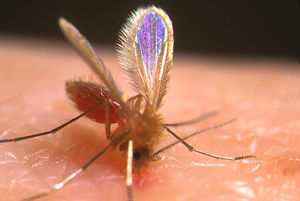
Kala-azar Vector in India

A. Short Term

- SSG IM/IV 20mg/kg/day X 30 days

- Amphotericin B 1mg/kg b.w. IV infusion daily or alternate day for 15-20 infusions. Dose can be increased

in patients with incomplete response with 30 injections

B. Long Term

- Miltefosine 100 mg daily x 4 weeks (after phase III studies completed with proven safety & efficacy)

- SSG IM/IV 20mg/kg/day X 30 days

- Miltefosine 100 mg daily x 4 weeks (after phase III studies completed with proven safety & efficacy)

A. SSG Failures

- Amphotericin B 1mg/kg b.w. IV infusion daily or alternate day for 15-20 infusions. Dose can be increased in patients

with incomplete response with 30 injections

B. SSG and Miltefosine Failures

- Liposomal Amphotericin B (when final results are available with proven efficacy and safety)

Treatment of PKDL


Filariasis

FILARIASIS Photo

Filariasis is caused by several round, coiled and thread-like parasitic worms belonging to the family filaridea. These parasites after getting deposited on skin penetrate on their own or through the opening created by mosquito bites to reach the lymphatic system. The disease is caused by the nematode worm, either Wuchereria bancrofti or Brugia malayi and transmitted by ubiquitous mosquito species Culex quinquefasciatus and Mansonia annulifera/M.uniformis respectively. The disease manifests often in bizarre swelling of legs, and hydrocele and is the cause of a great deal of social stigma.

Brugian filariasis: Lymphadenitis (swollen and painful lymphnode) occurs episodically, most commonly affecting one inguinal lymph node at a time. The infection lasts for several days and usually heals spontaneously. The frequency of episodes may vary from 1-2 attacks per year to several attacks per month. Sometimes lymphadenitis is followed by a characteristic retrograde lymphangitis. The infection may spread to the surrounding tissues, and occasionally involves the whole thigh or entire limb. The infected lymph node may become an abscess, ulcerate, and heal with fibrotic scarring. The acute clinical course with its complications may last from several weeks to 3 months. Characteristically, elephantiasis involves the leg below the knee but occasionally it affects the arm below the elbow. Genital lesions or chyluria (milky colour urine) do not occur in brugian filariasis.

Bancroftian filariasis: The lymphatic vessels of the male genitalia are most commonly affected in bancroftian filariasis, producing episodic funiculitis (inflammation of the spermatic cord), epididymitis and orchitis. Adenolymphangitis of the extremities is less common. Hydrocele is the most common sign of chronic bancroftian filariasis, followed by lymphoedema, elephantiasis and chyluria. The swelling involves the whole leg, the whole arm, the scrotum, the vulva or the breast. The fluid of hydrocele and chyluric patients may contain microfilariae, even when they are absent from the blood. Chyluria occurs intermittently and is more pronounced after a heavy meal. It is often symptomless, but some patients complain of fatigue and weight loss, resulting from loss of fat and protein.

Lymphatic filariasis (LF)Photo

Lymphatic Filariasis (LF), commonly known as elephantiasis is a disfiguring and disabling disease, usually acquired in childhood. In the early stages, there are either no symptoms or non-specific symptoms. Although there are no outward symptoms, the lymphatic system is damaged. This stage can last for several years. Infected persons sustain the transmission of the disease. The long term physical consequences are painful swollen limbs (lymphoedema or elephantiasis). Hydrocele in males is also common in endemic areas.

Due to damaged lymphatic system, patients with lymphoedema have frequent attacks of infection causing high fever and severe pain. Patients may be bed-ridden for several days and normal routine activities become difficult. Such attacks not only cause acute physical suffering but also directly impede the earning capacity of the individual. Lymphatic filariasis is estimated to be one of the leading causes of disability worldwide. Elimination of the disease is an important tool for poverty alleviation and economic development.

Filaria vectors

Culex quinquefasciatus transmits filariasis in India. Culex breeds in polluted water. Common breeding sites are wet pit latrines, septic tanks, barrow pits, cess pools, drains, disused wells, paddy fields, etc.

Transmission of Lymphatic Filariasis

The adult produces millions of very small immature larvae known as microfilariae, which circulate in the peripheral blood with marked nocturnal periodicity. The worms usually live and produce microfilariae for 5-8 years.

Adult Filarial Worms (Macrofilariae) inhabiting lymphatic system of man

Lymphatic filariasis is transmitted through mosquito bites.

The persons having circulating microfilariae are outwardly healthy but transmit the infection to others through mosquitoes.

The persons with chronic filarial swellings suffer severely from the disease but no longer transmit the infection.

In India, 99.4% of the cases are caused by the species - Wuchereria bancrofti whereas Brugia malayi is responsible for 0.6% of the problem.

In the adult stage, filarial worms live in the vessels of the lymphatic system. Lymphatic system is the network of lymph nodes and lymph vessels that maintains the fluid balance between the tissues and the blood which is an essential element of the body’s immune defense system.

LIFE CYCLE OF FILARIA PARASITEPhoto

Man is the definitive host i.e. where the mature adult male and female parasites mate and produce microfilariae whereas the mosquito is the intermediate host. The adult parasites are usually found in the lymphatic system of man. They give birth to as many as 50,000 microfilariae per day, which find their way into blood circulation. The life span of microfilaria is not exactly known which preferably may survive up to a couple of months.

The parasite cycle in the mosquito begins when the microfilariae are picked up by the vector mosquitoes during their feeding on the infected person (microfilaria carrier). The microfilaria in mosquito develops into three stages and under optimum conditions of temperature and humidity; the duration of the cycle in the mosquito (extrinsic incubation period) is about 10-14 days. When the infective mosquito feeds on other human host, the infective larvae are deposited at the site of mosquito bite from where the infective larvae get into lymphatic system. In the human host, the infective larvae develop into adult male and female worms. The adult worms survive for about 5-8 years or sometimes as long as 15 years or more.

Magnitude of disease

Filariasis has been a major public health problem in India next only to malaria. The disease was recorded in India as early as 6th century B.C. by the famous Indian physician, Susruta in his book ‘Susruta Samhita’. In 7th century A.D., Madhavakara described signs and symptoms of the disease in his treatise ‘Madhava Nidhana’ which hold good even today. In 1709, Clarke called elephantoid legs in Cochin as ‘Malabar legs’.

The discovery of microfilariae (mf) in the peripheral blood was made first by Lewis in 1872 in Calcutta (Kolkata).

Strategy

  • Recurrent anti-larval measures at weekly intervals.
  • Environmental methods including source reduction by filling ditches, pits, low lying areas, deweeding, desilting, etc.
  • Biological control of mosquito breeding through larvivorous fish.
  • Anti-parasitic measures through ‘detection’ and ‘treatment’ of microfilaria carriers and disease person with DEC by Filaria Clinics in towns covered under the programme.

TRATEGY FOR Elimination of lymphatic filariasis

The strategy for achieving the goal of elimination is by Annual Mass Drug Administration of DEC for 5 years or more to the population excluding children below two years, pregnant women and seriously ill persons in affected areas to interrupt transmission of disease.

Home based management of cases who already have the disease and hydrocelectomy operations in identified CHCs and hospitals.


Japanese Encephalitis

What is Japanese Encephalitis?
  • Japanese Encephalitis is a viral disease
  • It is transmitted by infective bites of female mosquitoes mainly belonging to Culex tritaeniorhynchus, Culex vishnui and Culex pseudovishnui group. However, some other mosquito species also play a role in transmission under specific conditions
  • JE virus is primarily zoonotic in its natural cycle and man is an accidental host.
  • JE virus is neurotorpic and arbovirus and primarily affects central nervous system
What are sign and symptoms of JE?
  • JE virus infection presents classical symptoms similar to any other virus causing encephalitis
  • JE virus infection may result in febrile illness of variable severity associated with neurological symptoms ranging from headache to meningitis or encephalitis. Symptoms can include headache, fever, meningeal signs, stupor, disorientation, coma, tremors, paralysis (generalized), hypertonia, loss of coordination, etc.
  • Prodromal stage may be abrupt (1-6 hours), acute (6-24 hours) or more commonly subacute (2-5 days)
  • In acute encephalitic stage, symptoms noted in prodromal phase convulsions, alteration of sensorium, behavioural changes, motor paralysis and involuntary movement supervene and focal neurological deficit is common. Usually lasts for a week but may prolong due to complications.
  • Amongst patients who survive, some lead to full recovery through steady improvement and some suffer with stabilization of neurological deficit. Convalescent phase is prolonged and vary from a few weeks to several months.
  • Clinically it is difficult to differentiate between JE and other viral encephalitis
  • JE virus infection presents classical symptoms similar to any other virus causing encephalitis.
How Japanese Encephalitis is transmitted?
  • Japanese encephalitis is a vector borne disease.
  • Several species of mosquitoes are capable of transmitting JE virus.
  • JE is a zoonotic infection. Natural hosts of JE virus include water birds of Ardeidae family (mainly pond herons and cattle egrets). Pigs play an important role in the natural cycle and serve as an amplifier host since they allow manifold virus multiplication without suffering from disease and maintain prolonged viraemia.
  • Due to prolonged viraemia, mosquitoes get opportunity to pick up infection from pigs easily.
  • Man is a dead end in transmission cycle due to low and short-lived viraemia. Mosquitoes do not get infection from JE patient.
Japanese Encephalitis Vectors in India
  • Japanese encephalitis virus isolation has been made from a variety of mosquito species.
  • Culicine mosquitoes mainly Culex vishnui group (Culex tritaeniorhynchus, Culex vishnui and Culex pseudovishnui) are the chief vectors of JE in different parts of India.
  • Life cycle consists of egg, four instars of larvae, pupa and adult. The whole cycle takes more than a month, however, duration depends on temperature and other ecological conditions.
  • Culex vishnui subgroup is very common, widespread and breed in water with luxuriant vegetation mainly in paddy fields and the abundance is related to rice cultivation, shallow ditches and pools.
  • These vectors are primarily outdoor resting in vegetation and other shaded places but in summer may also rest in indoors.
  • They are in principally cattle feeders, though human and pig feeding are also recorded in some areas.
How JE is Diagnosed?

Clinical:

Clinically JE cases present signs and symptoms similar to encephalitis of viral origin and cannot be distinguished for confirmation. However, JE can be suspected as the cause of encephalitis as a febrile illness of variable severity associated with neurological symptoms ranging from headache to meningitis or encephalitis. Symptoms can include headache, fever, meningeal signs, stupor, disorientation, coma, tremors, paralysis (generalized), hypertonia , loss of coordination.

Laboratory:

Several laboratory tests are available for JE virus detection which include;

  • Antibody detection: Heamagglutination Inhibition Test (HI), Compliment Fixation Test (CF), Enzyme Linked Immuno-Sorbant Assay (ELISA) for IgG (paired) and IgM (MAC) antibodies, etc.
  • Antigen Detection: RPHA, IFA, Immunoperoxidase etc.
  • Genome Detection – RTPCR
  • Isolation – Tissue culture, Infant mice, etc
  • In view of the limitations associated with various tests, IgM ELISA is the method of choice provided samples are collected 3-5 days after the infection.
Case definitions for JE Diagnosis and Reporting:

Clinical Suspect

Febrile illness of variable severity associated with neurological symptoms ranging from headache to meningitis or encephalitis. Symptoms can include headache, fever, meningeal signs, stupor, disorientation, coma, tremors, paralysis (generalized), hypertonia , loss of coordination.

(Patient with fever, altered sensorium lasting more than 6 hours, no skin rash and other known causes of encephalitis excluded)


Probable

A suspected case with presumptive laboratory results: Detection of an acute phase anti-viral antibody response through IgM in serum/ elevated and stable JE antibody titres in serum through ELISA/HI/Neutralising assay.

Confirmed

A suspect case with confirmed laboratory result : JE IgM in CSF or 4 fold or greater rise in paired sera (acute & Convalescent) through IgM/IgG ELISA, HI, Neutralisation test or detection of virus, antigen or genome in tissue, blood or other body fluid by immuno-chemistry, immunoflourescence or PCR.

Treatment of Japanese Encephalitis

There is no specific anti-viral medicine available against JE virus. The cases are managed symptomatologically. Clinical management of JE is supportive and in the acute phase is directed at maintaining fluid and electrolyte balance and control of convulsions, if present. Maintenance of airway is crucial.

Is there a vaccine for Japanese Encephalitis?
  • Central Research Institute, Kasuali,India has developed Japanese encephalitis vaccine indigenously.
  • It is a mouse brain killed vaccine and 3 doses are required to produce primary immunization. Two doses are administered sub-cutaneously within a gap of 7-14 days followed by third dose any time after one month and before one year of the second dose. A booster is required after 3 years.
  • Mouse brain technology has limitations in huge production beyond a few million.
  • Tissue culture vaccines with feasibility of mass production are under various phases of development, standardization and/or commercialization.
What are the Prevention and control measures of JE?
  1. The preventive measures are directed at reducing the vector density and in taking personal protection against mosquito bites using insecticide treated mosquito nets. The reduction in mosquito breeding requires eco-management, as the role of insecticides is limited.


  2. JE vaccine is produced in limited quantities at the Central Research Institute, Kasauli. Three doses of the vaccine provide immunity lasting a few years. The vaccine is procured directly by the state health authorities. Vaccination is not recommended as an outbreak control measure as it takes at least one month after second dose to develop antibodies at protective levels and the outbreaks are usually short lived.

    There is no specific treatment of JE. Clinical management is supportive and in the acute phase is directed at maintaining fluid and electrolyte balance and control of convulsions, if present. Maintenance of airway is crucial. The state governments have been advised that in the endemic districts, anticipatory preparations should be made for timely availability of medicines, equipment and accessories as well as sufficient number of trained medical, nursing and paramedical personnel. The Government of India supports training programmes.

    Technical support is provided, on request by the state health authorities, for outbreak investigations and control. Factors that make the prevention and control of JE challenging are:


    • Outdoor habit of the vector
    • Scattered distribution of cases spread over relatively large areas
    • Role of different reservoir hosts
    • Specific vectors for different geographical and ecological areas
    • Immune status of various population groups is not known making it difficult to delineate vulnerable population groups.

  3. Piggeries may be kept away (4-5 kms) from human dwellings.


Malaria:FAQs

What is Malaria?

Malaria is a serious and sometimes fatal disease caused by a parasite that commonly infects a certain type of mosquito which feeds on humans. People who get malaria are typically very sick with high fevers, shaking chills, and flu-like illness. Four kinds of malaria parasites can infect humans: Plasmodium falciparum, P. vivax, P. ovale, and P. malariae. Infection with P. falciparum, if not promptly treated, may lead to death. Although malaria can be a deadly disease, illness and death from malaria can usually be prevented.

About 1,300 cases of malaria are diagnosed in the United States each year. The vast majority of cases in the United States are in travelers and immigrants returning from malaria-risk areas, many from sub-Saharan Africa and South Aisa.

The World Health Organization estimates that each year 300-500 million cases of malaria occur and more than 1 million people die of malaria, especially in developing countries. Most deaths occur in young children. For example, in Africa, a child dies from malaria every 30 seconds. Because malaria causes so much illness and death, the disease is a great drain on many national economies. Since many countries with malaria are already among the poorer nations, the disease maintains a vicious cycle of disease and poverty.

How People Get Malaria (Transmission)

How is malaria transmitted?

Usually, people get malaria by being bitten by an infective female Anopheles mosquito. Only Anopheles mosquitoes can transmit malaria and they must have been infected through a previous blood meal taken on an infected person. When a mosquito bites an infected person, a small amount of blood is taken in which contains microscopic malaria parasites. About 1 week later, when the mosquito takes its next blood meal, these parasites mix with the mosquito's saliva and are injected into the person being bitten.

Because the malaria parasite is found in red blood cells of an infected person, malaria can also be transmitted through blood transfusion, organ transplant, or the shared use of needles or syringes contaminated with blood. Malaria may also be transmitted from a mother to her unborn infant before or during delivery ("congenital" malaria).

Is malaria a contagious disease?

No. Malaria is not spread from person to person like a cold or the flu, and it cannot be sexually transmitted. You cannot get malaria from casual contact with malaria-infected people, such as sitting next to someone who has malaria.


Who Is at Risk

Who is at risk for malaria?

Anyone can get malaria. Most cases occur in people who live in countries with malaria transmission. People from countries with no malaria can become infected when they travel to countries with malaria or through a blood transfusion (although this is very rare). Also, an infected mother can transmit malaria to her infant before or during delivery.

Who are the people most at risk of getting very sick and dying from malaria?

Plasmodium falciparum causes severe and life-threatening malaria; this parasite is very common in many countries in Africa south of the Sahara desert. People who are heavily exposed to the bites of mosquitoes infected with P. falciparum are most at risk of dying from malaria. People who have little or no immunity to malaria, such as young children and pregnant women; or travelers coming from areas with no malaria, are more likely to become very sick and die. Poor people living in rural areas who lack knowledge, money, or access to health care are at greater risk for this disease. As a result of all these factors, an estimated 90% of deaths due to malaria occur in Africa south of the Sahara; most of these deaths occur in children under 5 years of age.

If I was born in a country where malaria is present and had malaria as a child, then moved to the United States many years ago; do I need to worry about getting malaria when I return home to visit my friends and relatives?

Yes, anyone who goes to a malaria-risk country should take precautions against contracting malaria. During the last several years that you have spent in the United States, you have lost any malaria immunity that you might have had while living in your native country. Without frequent exposure to malaria parasites, your immune system has lost its ability to fight malaria. You are now as much at risk as someone who was born in the United States (a "non-immune" person). Please consult with your health-care provider or a travel clinic about precautions to take against malaria (preventive drugs and protection against mosquito bites) and against other diseases.

Symptoms and Diagnosis

What are the signs and symptoms of malaria?

Symptoms of malaria include fever and flu-like illness, including shaking chills, headache, muscle aches, and tiredness. Nausea, vomiting, and diarrhea may also occur. Malaria may cause anemia and jaundice (yellow coloring of the skin and eyes) because of the loss of red blood cells. Infection with one type of malaria, Plasmodium falciparum, if not promptly treated, may cause kidney failure, seizures, mental confusion, coma, and death.

How soon will a person feel sick after being bitten by an infected mosquito?

For most people, symptoms begin 10 days to 4 weeks after infection, although a person may feel ill as early as 7 days or as late as 1 year later. Two kinds of malaria, P. vivax and P. ovale, can occur again (relapsing malaria). In P. vivax and P. ovale infections, some parasites can remain dormant in the liver for several months up to about 4 years after a person is bitten by an infected mosquito. When these parasites come out of hibernation and begin invading red blood cells ("relapse"), the person will become sick.

How do I know if I have malaria for sure?

Most people, at the beginning of the disease, have fever, sweats, chills, headaches, malaise, muscles aches, nausea and vomiting. Malaria can very rapidly become a severe and life-threatening disease. The surest way for you and your health-care provider to know whether you have malaria is to have a diagnostic test where a drop of your blood is examined under the microscope for the presence of malaria parasites. If you are sick and there is any suspicion of malaria (for example, if you have recently traveled in a malaria-risk area) the test should be performed without delay.


Preventing Malaria During Travel

I will be traveling outside of the US to an area with malaria; how do I find out what is the best drug to take against malaria?

Many effective antimalarial drugs are available. Your health care provider and you will decide on the best drug for you based on your travel plans, medical history, age, drug allergies, pregnancy status, and other health factors.

To allow enough time for the drugs to become effective and for a pharmacy to prepare any special doses of medicine (especially doses for children and infants), visit your health care provider 4-6 weeks before travel.

What is known about the long term effects of drugs that are commonly used to prevent and treat malaria?

In general, most drugs used to prevent and treat malaria have been shown to be well tolerated for at least 1 year or more.

Is it safe to buy my malaria drugs in the malaria-risk country where I will be traveling?

Buying medications abroad has its risks. The drugs could be of poor quality because of the way they are produced. The drugs could contain contaminants or they could be counterfeit drugs and therefore may not provide you the protection you need against malaria. In addition, some medications that are sold overseas are not used anymore in the United States or were never sold here. These drugs may not be safe or their safety has never been evaluated.

It would be best to purchase all the medications that you need before you leave the United States. As a precaution, note the name of the medication(s) and the name of the manufacturer(s). That way, in case of accidental loss, you can replace the drug(s) abroad at a reliable vendor.

Isn't there a malaria vaccine? And if not, why?

There is currently no malaria vaccine approved for human use. The malaria parasite is a complex organism with a complicated life cycle. Its antigens are constantly changing and developing a vaccine against these varying antigens is very difficult. In addition, scientists do not yet totally understand the complex immune responses that protect humans against malaria. However, many scientists all over the world are working on developing an effective vaccine. Because other methods of fighting malaria, including drugs, insecticides, and bed nets, have not succeeded in eliminating the disease, the search for a vaccine is considered to be one of the most important research projects in public health.


Malaria and Infants and Children

Should infants and children be given antimalarial drugs?

Yes, but not all types of malaria drugs. Children of any age can get malaria and any child traveling to a malaria-risk area should be on an antimalarial drug. However, some antimalarial drugs are not suitable for children. Doses are based on the child's weight. More details can be found on Preventing Malaria in Infants and Children.

Pregnancy, Preconception, and Breastfeeding

I am 4 months pregnant but want to visit a malaria-risk country for 2 weeks. Is it safe to do so?

CDC advises women who are pregnant or likely to become pregnant to not travel to areas with malaria risk, if possible. Malaria in pregnant women can be more severe than in women who are not pregnant. Malaria can increase the risk for serious pregnancy outcomes, including prematurity, miscarriage, and stillbirth. If travel to a malarious area cannot be postponed, use of an effective chemoprophylaxis regimen is essential. However, no preventive drugs are completely effective. Please consider these risks (and other health risks as well) and discuss them with your health-care provider.

I plan to become pregnant after I return from a malaria risk area. How long does it take it take for antimalarial drugs to clear the body?

Because there is no evidence that chloroquine and mefloquine are associated with congenital defects when used for preventing malaria (prophylaxis), CDC does not recommend that women planning pregnancy need to wait a specific period of time after their use before becoming pregnant. However, if women or their health-care providers wish to decrease the amount of antimalarial drug in the body before conception. See the half-lives of selected antimalarial drugs. After two, four, and six half-lives, approximately 25%, 6%, and 2% of the drug remain in the body.

Is it considered safe for me to breastfeed while taking an antimalarial drug?

There is limited data available about the safety of antimalarial drugs and breastfeeding. However, the amount of antimalarial drug transferred from the nursing mother to her infant is not thought to be harmful to the infant. Very small amounts of the antimalarial drugs chloroquine and mefloquine are excreted in the breast milk of women who are breastfeeding. Although there is limited information about the use of doxycycline in breastfeeding women, most experts consider it unlikely to cause any harm as well.

No information is available on the amount of primaquine that enters human breast milk; the mother and infant should be tested for G6PD deficiency before primaquine is given to a woman who is breastfeeding.

It is not known whether atovaquone, which is a component of the antimalarial drug Malarone, is excreted in human milk. Proguanil, the other component of Malarone, is excreted in human milk in small quantities.

Note: Because there is little information available on the safety of atovaquone/proguanil to prevent malaria in infants weighing less than 5 kg (11 lbs), CDC does not currently recommend it for the prevention of malaria in women breastfeeding infants weighing less than 5 kg.

If I am taking an antimalarial drug and breastfeeding, will my baby be protected from malaria because of the medication transferred in my breast milk?

No. Based on experience with other antimalarial drugs, the quantity of drug transferred in breast milk is not likely to be enough to provide protection against malaria for the infant.

Other Preventive Measures

I live in an area where malaria is a problem, how can I prevent myself and my family from getting sick?

You and your family can prevent malaria by:

  • Keeping mosquitoes from biting you, especially at night
  • Taking antimalarial drugs to kill the parasites
  • Spraying insecticides on your home's walls to kill adult mosquitoes that come inside
  • Sleeping under bed nets - especially effective if they have been treated with insecticide, and
  • Using insect repellent and wearing long-sleeved clothing if out of doors at night

After Returning from a Malaria Risk Area

How long after returning from an area with malaria could I develop malaria?

Any traveler who becomes ill with a fever or flu-like illness while traveling, and up to 1 year after returning home should immediately seek professional medical care. You should tell your healthcare provider that you have been traveling in a malaria-risk area.

Can I give blood if I have been in a country where there is malaria?

It depends on what areas of that country you visited, how long ago you were there, and whether you ever had malaria. In general, most travelers to an area with malaria are deferred from donating blood for 1 year after their return. People who used to live in malaria-risk areas cannot donate blood for 3 years. People diagnosed with malaria cannot donate blood for 3 years after treatment, during which time they must have remained free of symptoms of malaria.

Blood banks follow strict guidelines (e.g. those of the American Red Cross) for accepting or deferring donors who have been in malaria-endemic areas. This is in order to avoid collecting blood for transfusions from an infected donor. In the United States during the period 1963-1999, there were 93 cases reported to CDC where people acquired malaria through a transfusion. Because of these control measures, transfusion-transmitted malaria is very rare in the United States and occurs at a rate of less than 1 per million units of blood transfused.

Treating Malaria

When should malaria be treated?

The disease should be treated early in its course, before it becomes serious and life-threatening. Several good antimalarial drugs are available, and should be taken early on. The most important step is to think about malaria if you are presently in, or have recently been in, an area with malaria, so that the disease is diagnosed and treated in time.

What is the treatment for malaria?

Malaria can be cured with prescription drugs. The type of drugs and length of treatment depend on the type of malaria, where the person was infected, their age, whether they are pregnant, and how sick they are at the start of treatment.

When is malaria self-treatment recommended?

Travelers who are taking effective malaria preventive drugs but who will be in very remote areas may decide, in consultation with their healthcare provider, to take along antimalarial mediation for self-treatment. Malaria self-treatment should begin right away if fever, chills, or other influenza-like illness occurs and if professional medical care is not available within 24 hours. Self-treatment of a possible malarial infection is only a temporary measure and immediate medical care is important.

The CDC Malaria Branch (Malaria Hotline 770-488-7788) can provide consultation to health-care providers on other potential options for self-treatment if atovaquone/proguanil cannot be used.

If I get malaria, will I have it for the rest of my life?

No, not necessarily. Malaria can be treated. If the right drugs are used, people who have malaria can be cured and all the malaria parasites can be cleared from their body. However, the disease can continue if it is not treated or if it is treated with the wrong drug. Some drugs are not effective because the parasite is resistant to them. Some people with malaria may be treated with the right drug, but at the wrong dose or for too short a period of time.

Two types (species) of parasites, Plasmodium vivax and P. ovale, have liver stages and can remain in the body for years without causing sickness. If not treated, these liver stages may re-activate and cause malaria attacks ("relapses") after months or years without symptoms. People diagnosed with P. vivax or P. ovale are often given a second drug to help prevent these relapses. Another type of malaria, P. malariae, if not treated, has been known to stay in the blood of some people for several decades.

However, in general, if you are correctly treated for malaria, the parasites are eliminated and you are no longer infected with malaria.

Where Malaria Occurs

Where does malaria occur?

Malaria typically is found in warmer regions of the world—in tropical and subtropical countries. Higher temperatures allow the Anopheles mosquito to thrive. Malaria parasites, which grow and develop inside the mosquito, need warmth to complete their growth before they are mature enough to be transmitted to humans.

Malaria occurs in over 100 countries and territories. More than 40% of the world's population is at risk. Large areas of Central and South America, Hispaniola (the Caribbean island that is divided between Haiti and the Dominican Republic), Africa, South Asia, Southeast Asia, the Middle East, and Oceania are considered malaria-risk areas.

Yet malaria does not occur in all warm climates. For example, malaria has been eliminated in some countries with warm climates, while a few other countries have no malaria because Anopheles mosquitoes are not found there.

Why is malaria so common in Africa?

In Africa south of the Sahara, the principal malaria mosquito, Anopheles gambiae, transmits malaria very efficiently. The type of malaria parasite most often found, Plasmodium falciparum, causes severe, potentially fatal disease. Lack of resources and political instability can prevent the building of solid malaria control programs. In addition, malaria parasites are increasingly resistant to antimalarial drugs, presenting one more barrier to malaria control in that continent.

In some countries, malaria is said to exist in "rural" areas. How would one know if an area is rural vs urban?

What constitutes a rural area can vary by country. In general, urbanization can be said to involve both population size and economic development of an area in which there is concentrated commercial activity, such as manufacturing, the sale of goods and services, and transportation. Rural areas tend to have less commercial activity, less population density, more green space, and agriculture may be a main feature.

Eradication of Malaria

Wasn't malaria eradicated years ago?

No, not in all parts of the world. Malaria has been eradicated from many developed countries with temperate climates. However, the disease remains a major health problem in many developing countries, in tropical and subtropical parts of the world.

An eradication campaign was started in the 1950s, but it failed globally because of problems including the resistance of mosquitoes to insecticides used to kill them, the resistance of malaria parasites to drugs used to treat them, and administrative issues. In addition, the eradication campaign never involved most of Africa, where malaria is the most common.